Jim Cramer Warns Investors Against Overinterpreting Wall Street’s Post-Election Rally


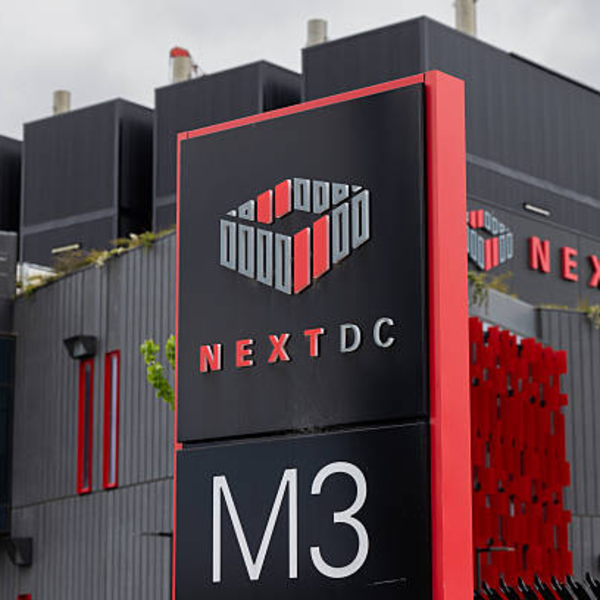
Wall Street rallied after Democrats secured a decisive victory in the midterm elections, but the gains revealed a growing divide within the technology sector. Investors appeared to bet that increased opposition to data center development could slow the expansion of AI infrastructure, potentially easing memory chip prices and reducing capital expenditure pressures for major technology companies.
Hyperscalers were among the beneficiaries of the shift. Apple shares reached an all-time high, while Microsoft and Amazon also advanced as investors anticipated that slower data center construction could lower infrastructure costs and ease their substantial AI-related spending. By contrast, semiconductor companies such as Nvidia and AMD, alongside data center developers including CoreWeave, Nebius and Iren, came under selling pressure.
However, CNBC's Jim Cramer warned that investors could be moving too quickly to interpret the election results as a turning point for the market. He noted that the rally could be reversed by upcoming economic data, particularly the Labor Department's nonfarm payrolls report. In his view, the market's reaction was more suitable for short-term trading than for making longer-term investment decisions.
Cramer also stressed that the midterm elections, despite their political and economic significance, had not fundamentally changed the business cycle. He pointed to the views of JPMorgan strategist Michael Cembalest, who argued that markets are primarily driven by factors that elections do not directly control, including 10-year Treasury yields, commodity prices, Federal Reserve policy, corporate profits and budget deficits. The pace of AI investment, borrowing requirements among AI companies and their impact on credit spreads also remain important considerations.
The broader message is that political developments can influence market sentiment and trigger sharp sector rotations, but they do not necessarily alter the underlying fundamentals of businesses or the economy. Investors may see short-term opportunities in these moves, yet treating a single election as a reliable signal of where markets are heading could lead to premature decisions.
As Cramer put it, investors should never confuse what happens in the stock market with what happens in reality. The coming economic data and corporate fundamentals may ultimately matter more than the immediate reaction to the election results.